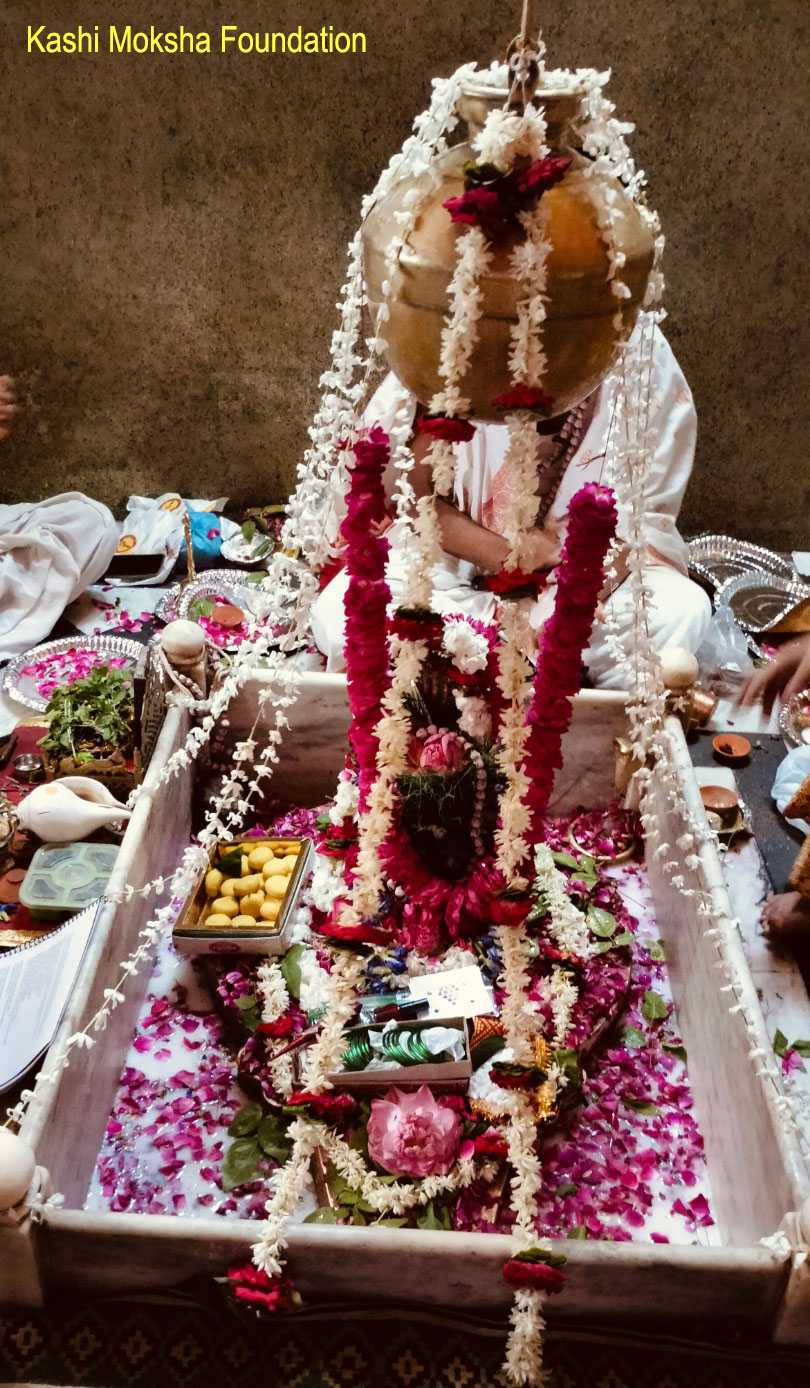
Om Namah Shivay
Trilochnaya Rudraya Neelkanth Ashutosh Shashank Shekhera Chandramauli Chithambra Shambhu Maheshvaraya Digambra Nandiswar Pratham Nath Jatadharaya Nagendraharaye Mahadev Shankara Pashupati Mahakaal Pinaki Bhootnath Umapati Mritunjay Gangadhraye Somnath
About Rudrabhishek
Rudra + Abhishek
Rudrabhishek is a sacred Hindu ritual (abhishek = ceremonial bathing) dedicated to Lord Shiva,
especially in his form as Rudra.
What it means?
“Rudra”: a fierce yet compassionate form of Shiva, associated with removing suffering
“Abhishek”: ritual bathing of a deity
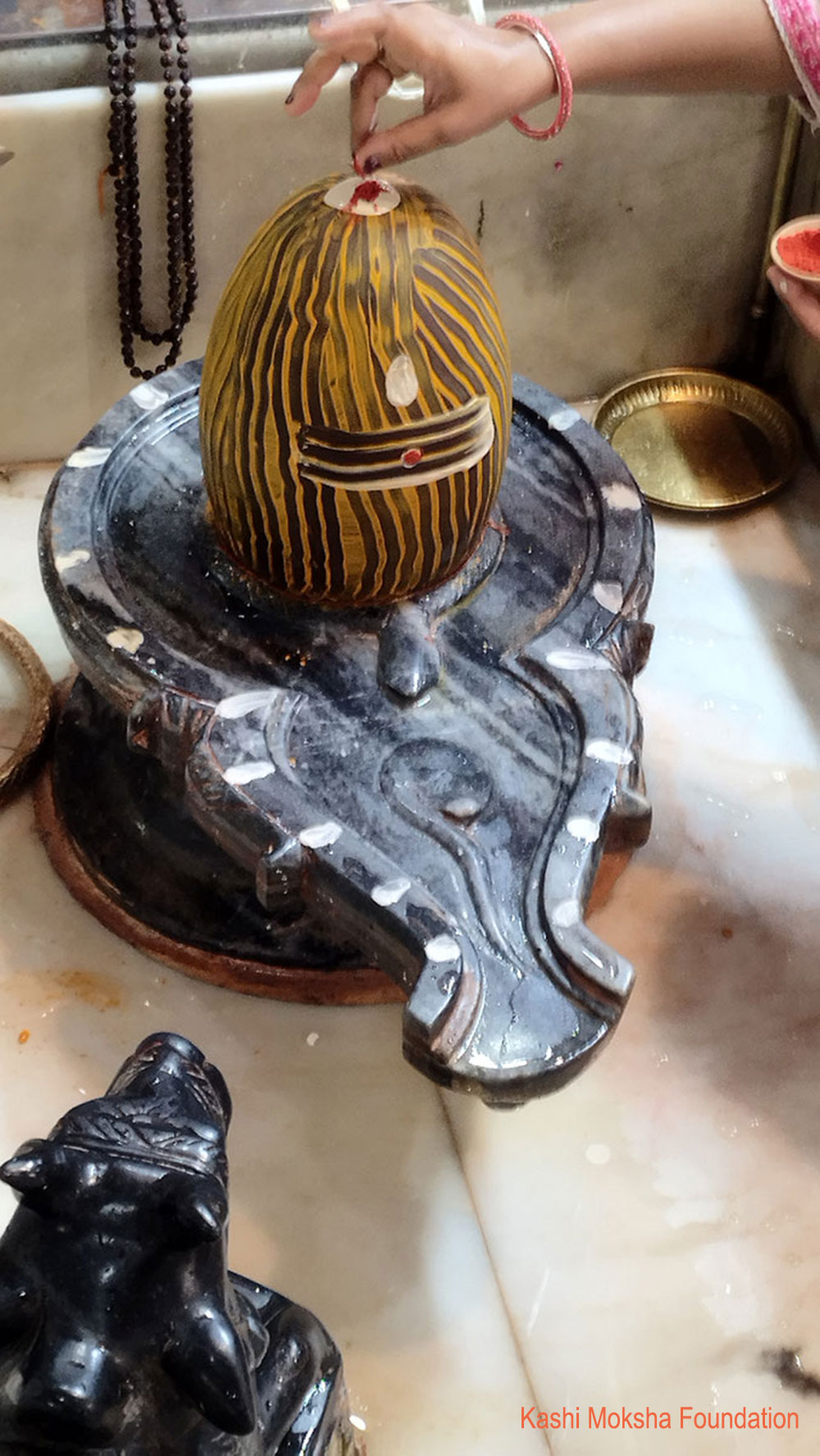
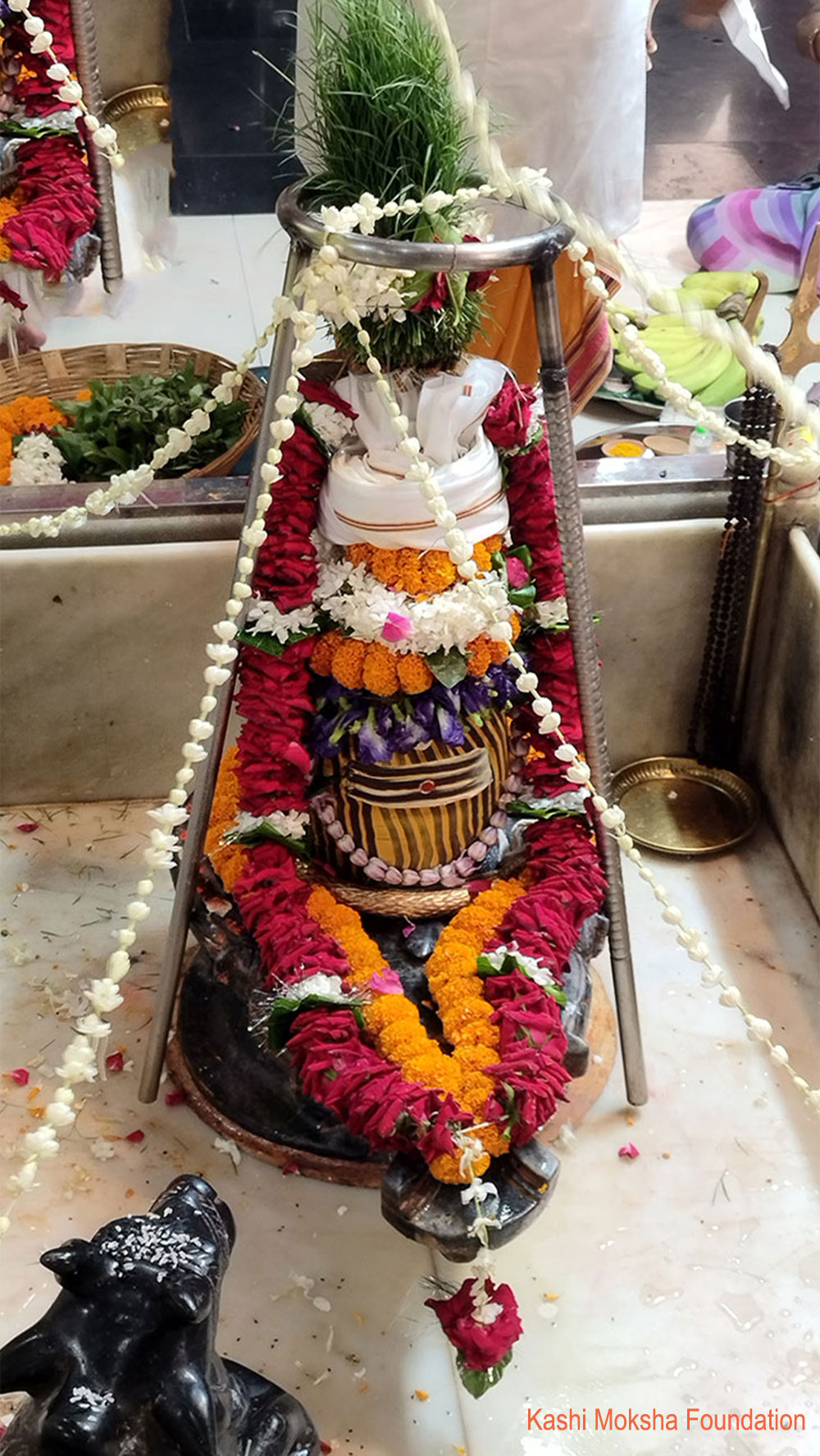
So, Rudrabhishek means the ritual worship of Lord Shiva by bathing the Shiva Lingam with holy substances while chanting Vedic mantras.
Benefits of Rudrabhishek
Rudrabhishek is a highly revered Vedic ritual dedicated to Lord Shiva in his fierce yet benevolent form as Rudra. It is considered one of the most powerful spiritual practices in Hinduism for purifying the mind and body, removing obstacles, and seeking divine protection.
Spiritual significance
Rudrabhishek is believed to:
• Remove negative energies and sins
• Bring peace of mind and emotional stability
• Reduce the effects of planetary doshas (especially related to Moon and Mars)
• Improve health, prosperity, and harmony
• Fulfill sincere wishes
When it is commonly performed
• Mondays (day of Lord Shiva)• Shravan month
• Maha Shivratri
• During personal difficulties (health, career, relationships)
Simple belief
Devotees believe that since Shiva is easily pleased (Ashutosh), sincere Rudrabhishek brings quick blessings.Core Elements of the Ritual
• The Act of Abhishek: The term "Abhishek" refers to the ritualistic bathing or anointing of the Shiva Lingam.• Sacred Substances: A variety of items, often called the "Ekadasha Dravya" (11 items), are poured over the Lingam. Common offerings include:
• Panchamrit: A mixture of milk, curd, ghee, honey, and sugar.
• Holy Liquids: Ganga Jal (holy water), sugarcane juice, coconut water, and rose water.
• Other Offerings: Sandalwood paste, Bhasma (sacred ash), Belpatra (bilva leaves), and Dhatura flowers.
• Vedic Chanting: The ceremony is accompanied by the recitation of powerful mantras from the Yajur Veda, specifically the Sri Rudram (comprising Namakam and Chamakam) and the Maha Mrityunjaya Mantra.
Spiritual & Material Benefits
1
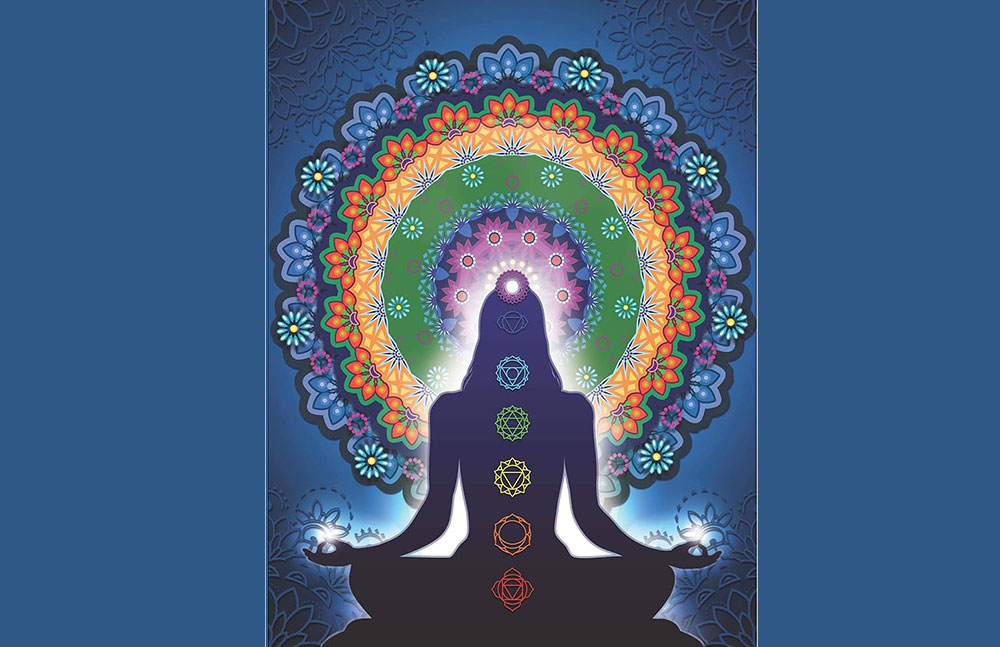
In the context of Rudrabhishek Pujan, karmic cleansing is the spiritual process of dissolving the "Sanchita Karma" (accumulated past deeds) through the grace of Lord Shiva. By bathing the Shiva Lingam with sacred substances like milk, honey, and water while chanting Vedic mantras, a devotee seeks to neutralize the negative imprints of previous lives. This ritual is believed to invoke Shiva’s transformative energy to burn away the "sins of multiple births," replacing internal turmoil with spiritual purity and peace. It is not merely a physical act but a deep vibrational alignment that resets one's soul path toward liberation.
2

Devotees perform it to seek victory over death (Mrityunjaya), protection from diseases, and relief from physical or mental ailments. This powerful ritual is performed to invoke the healing and protective energies of Lord Shiva in his Rudra form. Devotees chant the Mahamrityunjaya Mantra during the abhishek to seek victory over untimely death (Mrityunjaya), protection from chronic or life-threatening illnesses, and relief from physical as well as mental ailments.
3
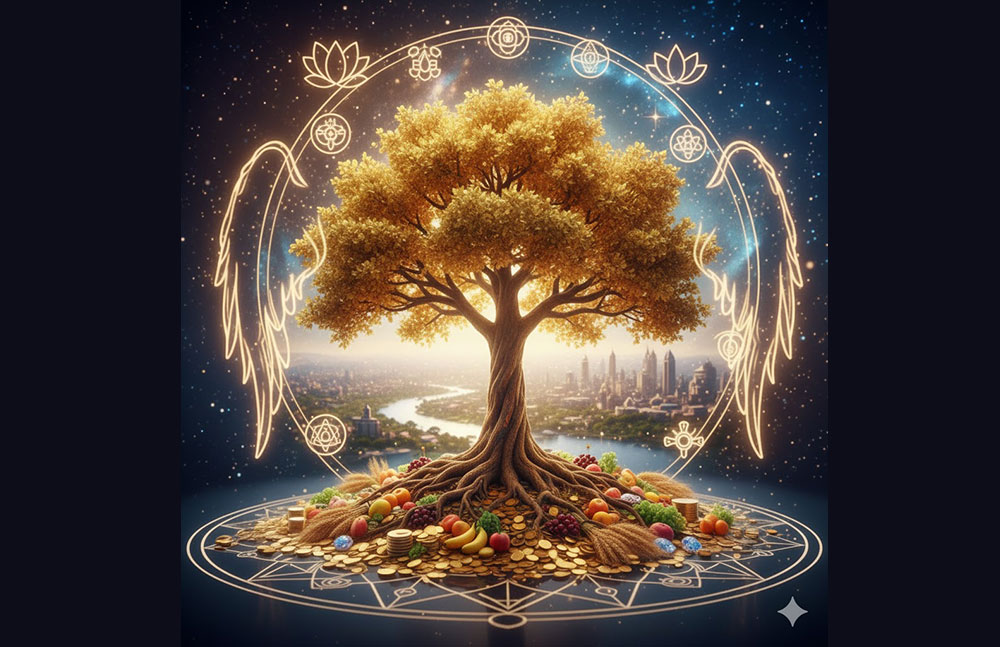
The ritual is associated with attracting wealth, success in business, and overall material abundance. By worshipping Lord Shiva in his benevolent form, devotees pray for removal of financial obstacles and steady progress in career or business ventures. The sacred abhishek, accompanied by Vedic chants, is believed to purify karmic blockages that hinder success and prosperity. Many devotees undertake this pujan before starting new business ventures, important projects, or major investments, seeking divine guidance and favorable outcomes.
4
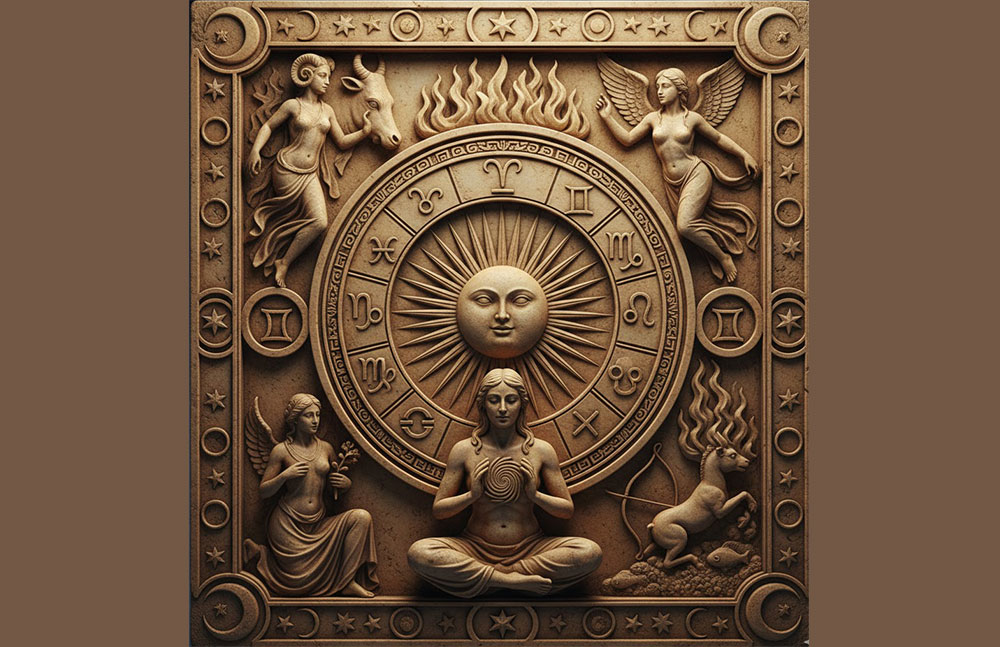
In the sacred practice of Rudrabhishek Pujan, the ritual is often recommended by astrologers to reduce the malefic effects of planetary afflictions (Doshas) present in one’s birth chart. Through the powerful chanting of Vedic mantras and offerings to Lord Shiva, devotees seek relief from challenges caused by Shani Dosha, Rahu-Ketu Dosha, or Kaal Sarp Yoga. It is believed that Lord Shiva, being the supreme controller of cosmic energies, has the power to calm adverse planetary influences and restore balance in life. Performing Rudrabhishek with faith and proper rituals helps minimize obstacles, delays, and unexpected hardships linked to unfavorable planetary positions.
Auspicious Timing & Locations
Occasions:
While it can be done any day, it is particularly auspicious on Mondays, during the month of Sawan (Shravan), on Maha Shivratri, and during Pradosh Vrat.
Sacred Sites:
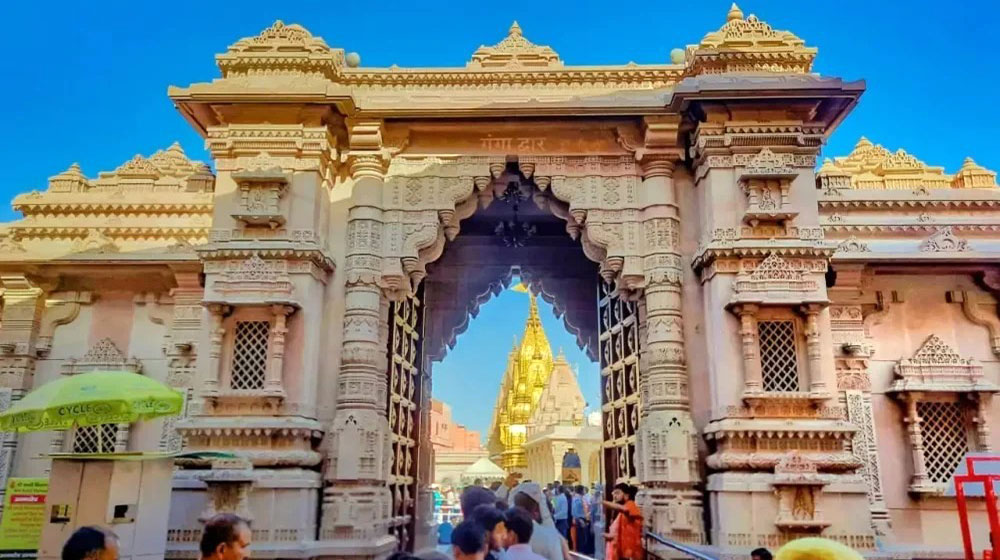
Performing Rudrabhishek at Jyotirlingas like Kashi Vishwanath (Varanasi), Trimbakeshwar (Maharashtra), or Mahakaleshwar (Ujjain) is considered especially meritorious.Citing in Veda:
Authentic Rudrabhishek procedures are primarily derived from the Yajurveda, specifically the Rudrashtadhyayi (eight chapters dedicated to Lord Rudra). For a detailed and correct practice, scholars recommend using specialized "Paddhati" (method) books that outline every step from purification to the final offering.Core Authentic Ritual Sequence:
According to standard Vedic texts, a complete Rudrabhishek follows this traditional order:• Ganapati & Gauri Puja: Seeking blessings from Lord Ganesha to ensure the ritual is free of obstacles.
• Sankalp: A solemn vow where the devotee states their name, gotra, and the purpose of the puja.
• Kalash Sthapana & Navgraha Puja: Invoking the nine planets and deities into a sacred pot (Kalash) to balance planetary influences.
• Laghunyasa: A ritual purification where the priest or devotee "places" mantras on different parts of their body using Rudraksha beads.
• Abhishek (The Main Bathing): Bathing the Shiva Lingam with 11 sacred substances (milk, honey, ghee, etc.) while continuously chanting the Sri Rudram (Namakam and Chamakam).
• Archana & Alankaram: Adoring the Lingam with sandalwood paste, Bilva leaves, and flowers after the bath.
• Aarti & Pushpanjali: Concluding with the waving of lamps and offering a handful of flowers.